
From Idea to Product: The Process Behind Successful Digital Development
Every successful digital product has a story: a meticulous process that transforms an idea into a tangible, functional solution. This article breaks down each stage of this journey, showcasing how a well-structured approach ensures product quality, optimizes resources, and maximizes market impact.
1. Discovery and Strategy

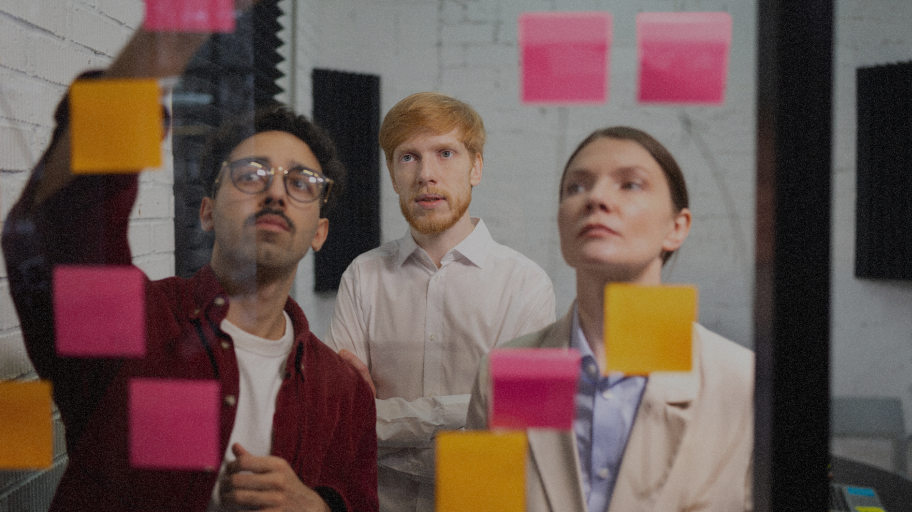
This stage lays the foundation for the product. The goal is to understand client needs, user expectations, and market context.
What Does This Phase Involve?
- Collaborative Workshops: Bringing stakeholders together to align on objectives.
- User Research: Conducting interviews, surveys, and data analysis to deeply understand user profiles.
- Competitive Analysis: Assessing similar products to identify opportunities for improvement and differentiation.
Practical Example: A startup wanted to launch a wellness app. During discovery, we found that users desired automated reminders for healthy habits. This insight redefined the app's value proposition, resulting in a more personalized and appealing product.
2. User-Centered Design
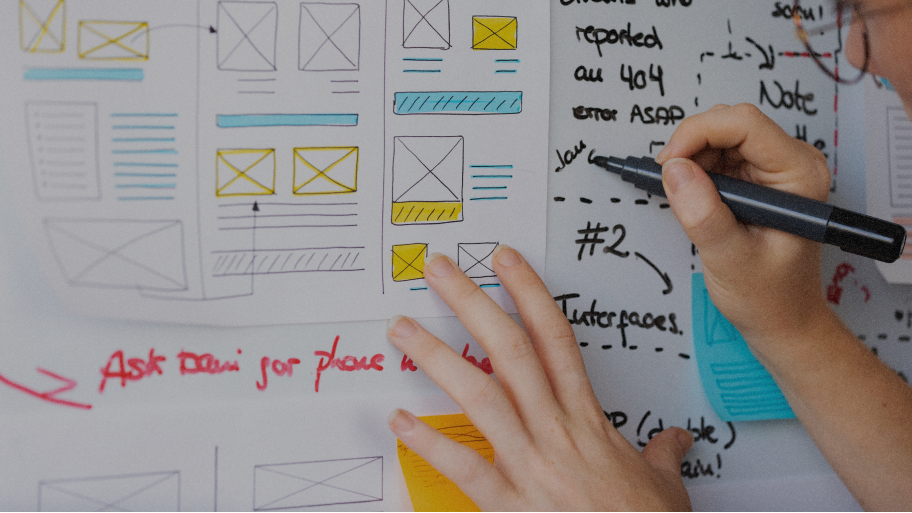
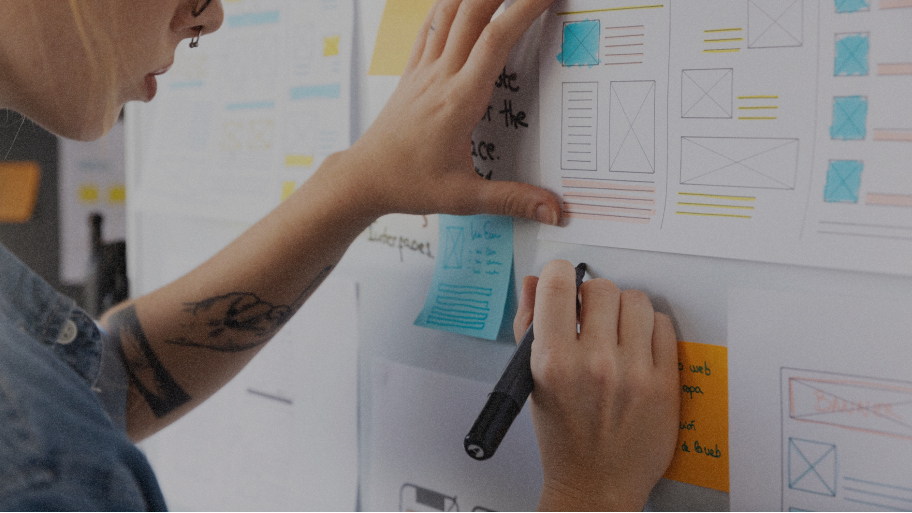
At this stage, ideas begin to take shape. The focus is on transforming insights from discovery into a functional and visually appealing design.
How Do We Approach This?
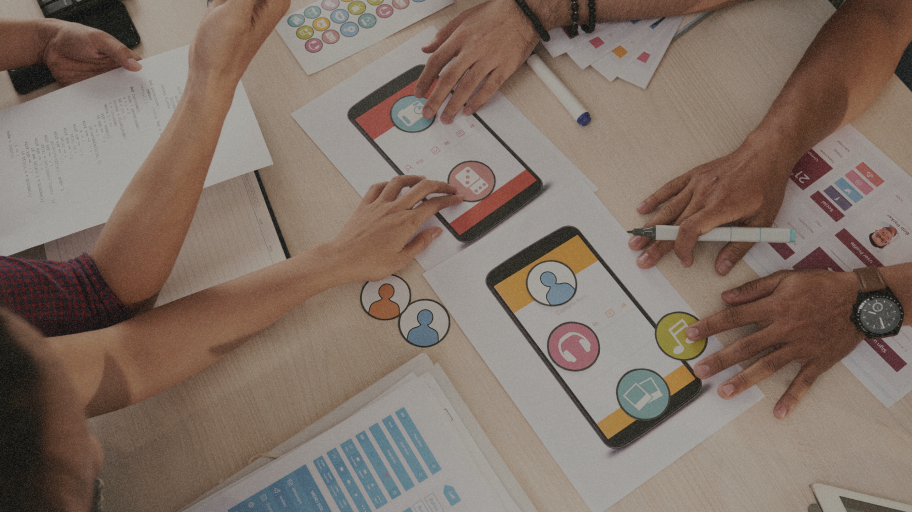
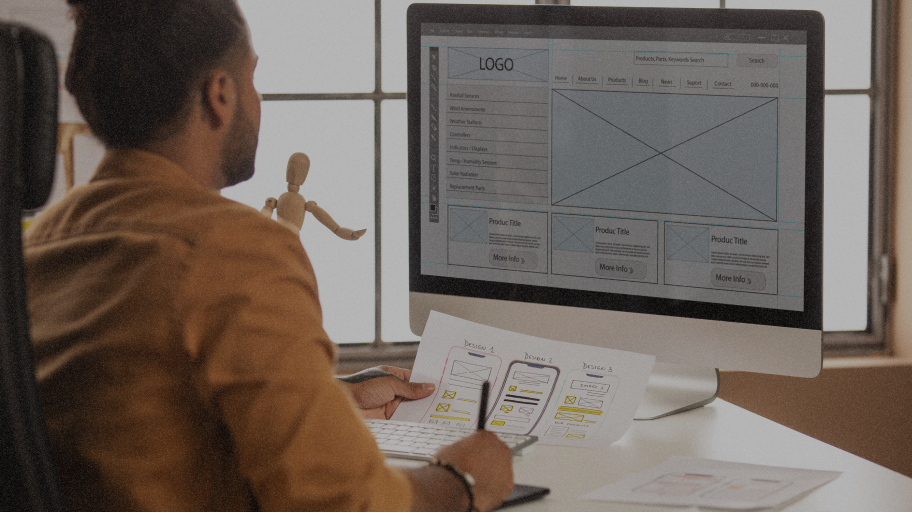
- Wireframes: Basic designs showcasing the product’s structure and flow, ensuring intuitive navigation.
- Interactive Prototypes: Advanced representations that allow users to “test” the product before development.
- Usability Testing: Real users interact with prototypes to identify and fix design flaws.
Practical Example: In an e-commerce project, usability testing revealed users struggled to locate the “buy” button. Adjusting the design significantly improved conversion rates during subsequent testing.
3. Agile Development
Development is where technical magic happens. Instead of building everything at once, we adopt an agile approach, prioritizing incremental deliveries.
Why Agile Development?
- Flexibility: Allows adaptation to changing requirements.
- Continuous Collaboration: Teams work iteratively, receiving constant feedback.
- Early Value Delivery: Key functionalities are launched quickly to create immediate impact.
Practical Example: While developing a restaurant reservation app, we first launched a basic version with search and booking functionalities. Additional features, such as reviews and personalized recommendations, were added later.
4. Testing and Optimization
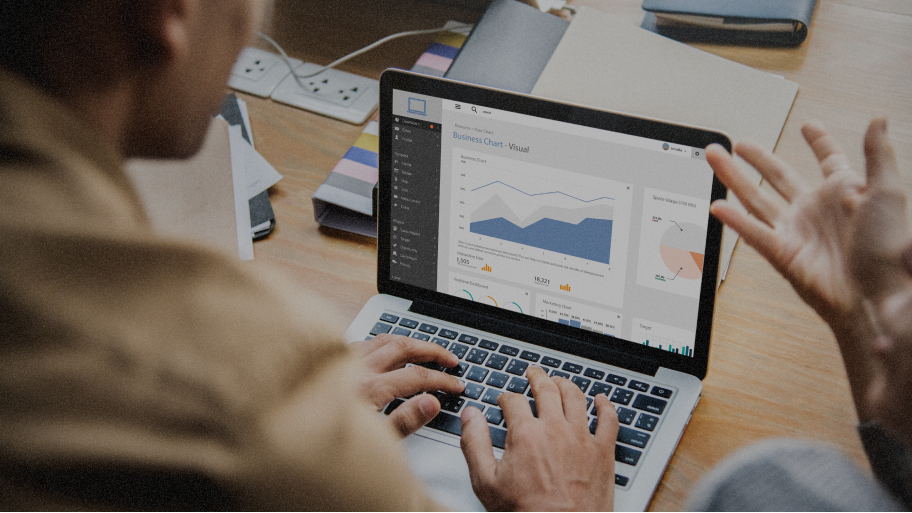

Before launch, the product undergoes rigorous testing to ensure it’s ready for real-world demands.
Types of Testing We Conduct:
- Functional Testing: Verifies all features work as intended.
- Usability Testing: Ensures the user experience is intuitive.
- Performance Testing: Confirms the product is fast and scalable under load.
Practical Example: For a fintech project, performance testing identified bottlenecks in payment processing. Optimizing the backend before launch ensured a smoother user experience.
5. Launch and Maintenance

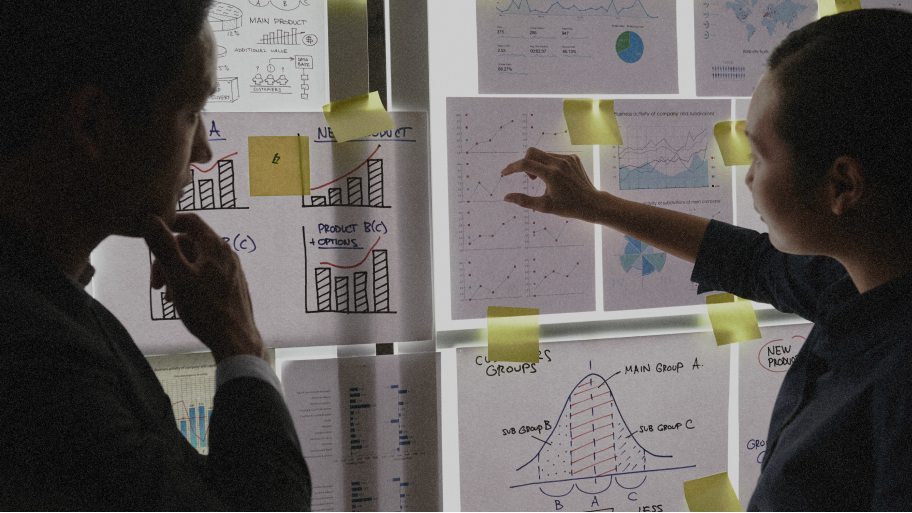
The launch isn’t the end but the beginning of the most crucial phase: monitoring performance and optimizing the product based on real-world metrics and user feedback.
What Does This Phase Include?
- Continuous Monitoring: Tracking system stability and user experience.
- Ongoing Improvements: Adding new features based on collected data and emerging needs.
Practical Example: After launching an online learning platform, we noticed users wanted personalized certifications. Adding this feature increased retention by 20%.
Conclusion
Transforming an idea into a successful digital product is a complex process, but when executed correctly, it creates solutions that not only solve problems but also inspire and connect with users.
If you have an idea and want to turn it into a product that leaves a mark, we’re here to guide you every step of the way!