
Design and Development Trends for 2024
The world of digital design and development evolves rapidly, and each year brings new tools, approaches, and expectations that shape how we interact with technology. In 2024, the focus is on creating more personalized, inclusive, and efficient experiences, driven by advancements in AI, augmented reality, and inclusive design. This article explores these key trends and how to apply them to stay ahead of the curve.
1. AI-Integrated Digital Experiences
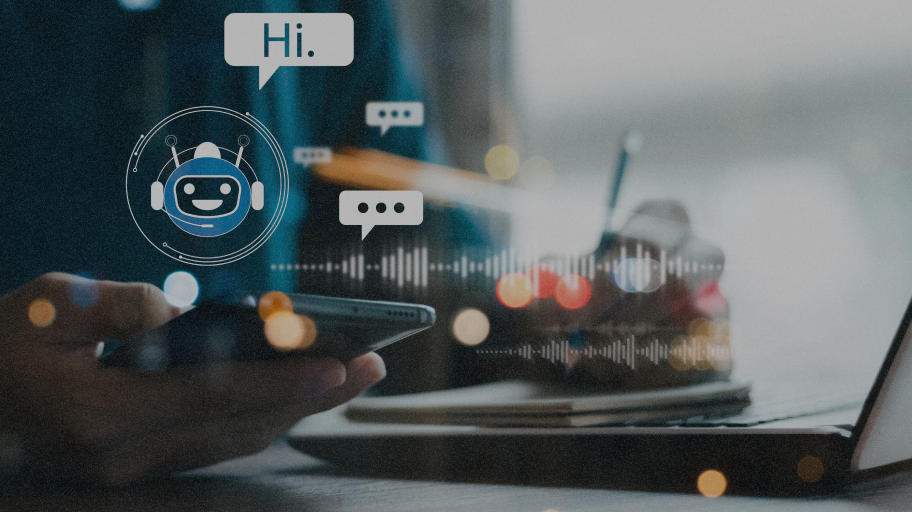

Artificial intelligence (AI) is no longer a futuristic concept but an essential tool in the design and development of digital products. From advanced chatbots to predictive analytics, AI enables more personalized and efficient experiences.
1. Chatbots and Virtual Assistants:
AI-powered chatbots are increasingly sophisticated. They not only answer simple questions but also maintain natural conversations and understand context.
- Example: A chatbot on an e-commerce site can suggest products based on a user’s browsing history.
2. Real-Time Personalization:
AI dynamically adapts content to user preferences and behaviors.
- Example: Netflix uses algorithms to recommend unique content to each user, increasing engagement time.
3. Automating Complex Tasks:
From optimizing visual designs to detecting coding errors, AI accelerates development processes.
- Example: Design platforms like Figma are beginning to integrate AI features to suggest more efficient layouts.
2. Inclusive and Accessible Design

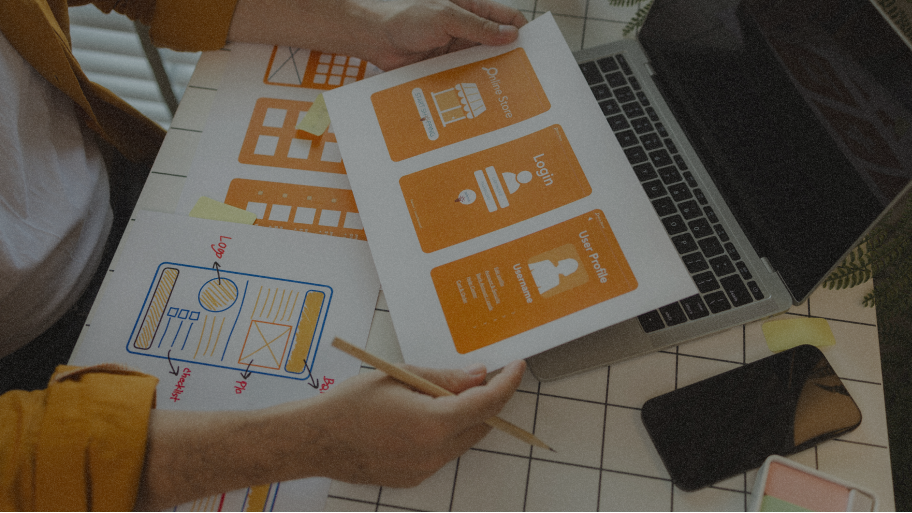
Accessibility is not just an ethical obligation; it’s a business necessity. Accessible products reach a broader audience and demonstrate a commitment to diversity and inclusion.
1. Technical Accessibility:
Ensuring products comply with standards like WCAG (Web Content Accessibility Guidelines).
- Example: Using alt text for images to support screen readers.
2. Cultural Diversity:
Adapting products for different cultural contexts, languages, and interpretations of interfaces.
- Example: Designing date formats, colors, and text to be culturally neutral.
3. Neurodiversity Considerations:
Designing experiences for users with autism, ADHD, or other neurodivergent conditions.
- Example: Avoiding distracting animations or overly stimulating elements.
Businesses prioritizing accessibility not only meet regulations but also enhance user experience for everyone. This results in stronger loyalty and positive brand perception.
3. Visual Design Trends
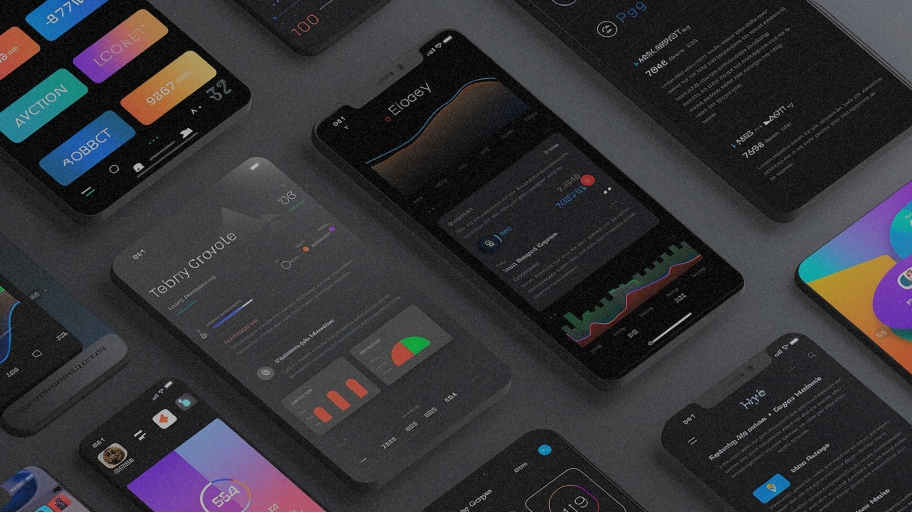
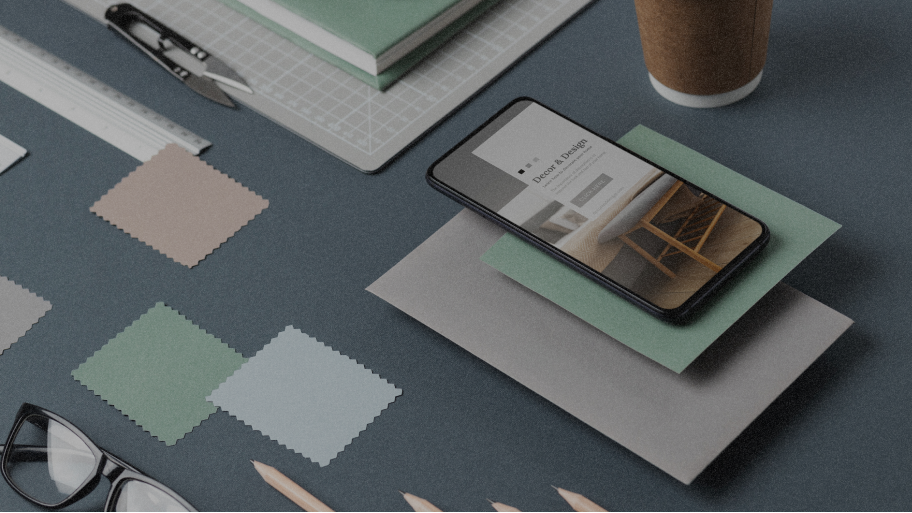
Visual design remains a powerful tool for capturing and retaining user attention. In 2024, these are the leading trends:
1. Dark Mode:
Popular for reducing eye strain, dark mode has become a standard expectation among users.
- Example: Apps like Instagram and WhatsApp now offer dark mode as a default option.
2. Variable Typography:
Adaptive fonts create more dynamic and unique experiences, adjusting to different screen sizes and styles.
- Example: A font that subtly changes weight when users interact with it.
3. Microinteractions:
Small animations or visual changes guide users or acknowledge their actions.
- Example: A button that changes color when clicked, confirming the action was successful.
4. Web3 and Augmented Reality (AR)
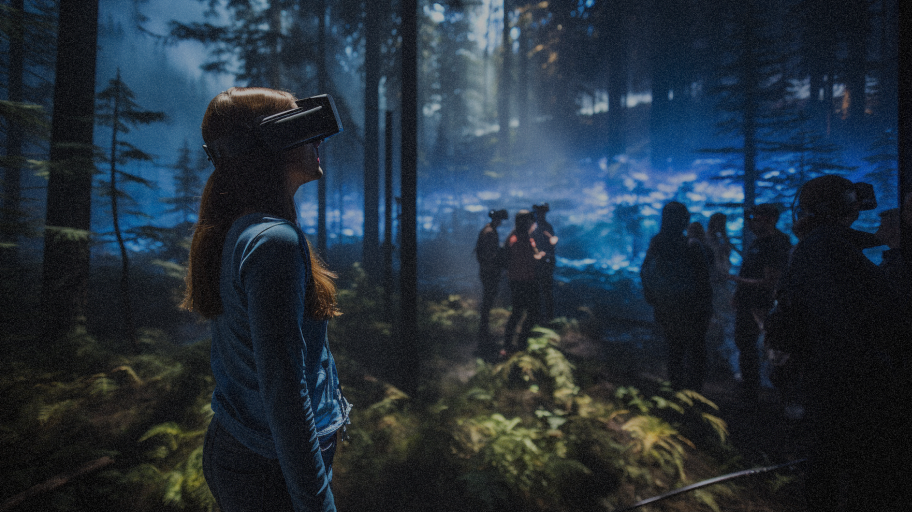
Decentralization and immersive technologies are redefining how brands interact with their audiences.
1. Web3:
Focused on decentralized ownership of data and digital resources.
- Practical Example: A blockchain-based e-learning platform can issue verifiable digital certificates owned directly by users.
2. Augmented Reality:
AR is shifting from an emerging technology to a practical tool for e-commerce, education, and entertainment.
- Example: IKEA’s AR app lets users visualize furniture in their homes before purchasing.
Commercial Impact:
These technologies foster stronger user engagement by offering unique, interactive experiences that leave lasting impressions.
Conclusion
024 promises innovation and transformation in digital design and development. Companies embracing these trends will be better positioned to create impactful, relevant, and scalable experiences.
If you’re ready to incorporate these innovations into your digital project, let’s connect and design the future together!